A few years ago, remote work in the IT industry was an emergency plan. Then it became a preference. Now it’s a battleground.
Some companies want everyone back. Others are holding onto hybrid plans. A few are staying remote by design, but they’re the exception. For job seekers, this makes things complicated. Because you’re not just choosing a job anymore, you’re choosing a way of living.
What You'll Learn
Mitel says that in 2025, 61% of U.S. full-time employees will be fully on-site, 13% will be fully remote, and about a quarter will split time between the two sources. That hybrid group is growing steadily-not fast but steadily-and for many people, it’s the model that feels most sustainable.
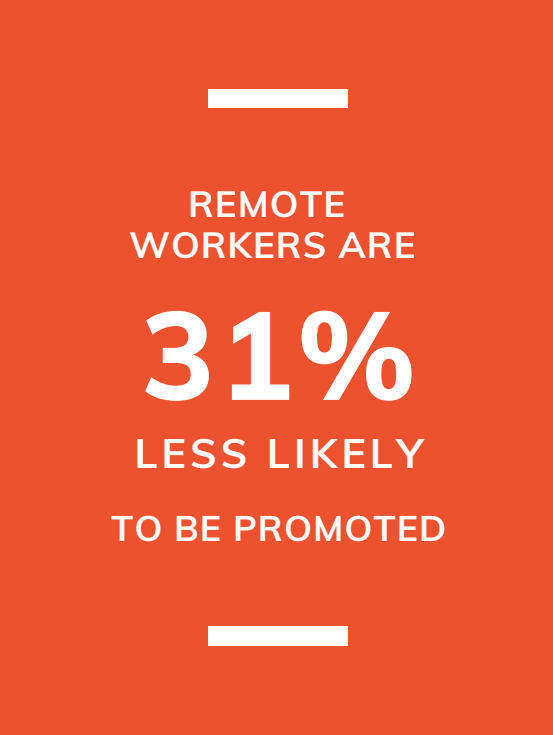
Still, just because you might be able to find a remote opportunity doesn’t mean it’s the right one. Hybrid workers, interestingly, seem to come out ahead; they earn 23% more than remote employees and 12% more than their fully in-office colleagues, according to the source. Remote workers are 31% less likely to be promoted. Both can struggle to stay connected with teams.
There’s a trade-off here. Flexibility might mean slower growth, and being visible might come at the cost of time, energy, or caregiving.
There's much to consider if you’re navigating a job search strategy. You must ask yourself, “What does this role expect from me, physically, emotionally, and logistically, and how does that fit with my life?”
The return to the office has already begun. Gallup says about 21% of employees work exclusively on-site, 28% are fully remote, and around 51% are hybrid. There’s flexibility to take advantage of-but not every business offers it, and that’s a problem.
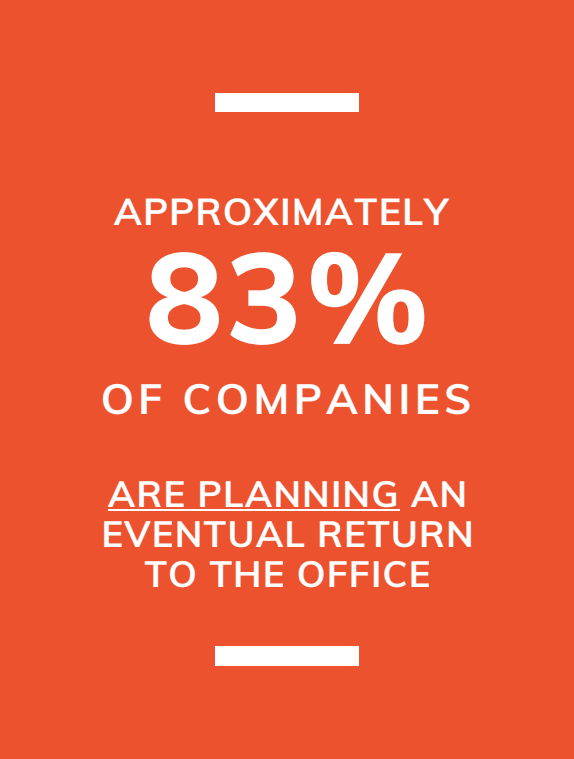
Today’s IT candidates want something other than the traditional in-office schedule. Nearly half say they’d happily quit if it meant returning to the office full-time. Despite that, even if organisations are still supporting hybrid roles, 83% are planning an eventual return to the office, potentially in the next three years.
Also, while hybrid work is still going strong, there’s a lot of confusion about what that really means. In some places, it’s two fixed office days a week. In others, it’s “as needed.” Sometimes, that means one in-person team meeting per quarter. Sometimes, it means every Tuesday, plus any other day your manager wants FaceTime.
That’s why IT job seekers must be cautious around vague policies. If everyone who gets promoted works on-site, then hybrid doesn’t mean much. If the leadership team is in the building five days a week, there’s a good chance the culture is shaped around that.
Some IT jobs are remote. Some are in-person. A growing amount of land is somewhere in the middle. On paper, it sounds like a simple choice. In practice, it can affect everything, from your schedule to how likely you are to get promoted.
Each model comes with its own set of realities. They’re not always obvious from the outside.
People choose remote work for different reasons. Some want space, some need flexibility, some live too far from the job market they trained for, and others just work better in their own environment, without small talk or headphones.
It’s not always about lifestyle. Sometimes it’s just the only setup that makes sense.
You can still grow in a remote role. People do it every day, but it usually takes more intentional effort from you and your manager.
Hybrid is often described as “the best of both worlds.” That depends on how it’s done. When it’s planned well, it can be flexible without becoming chaotic. When it isn’t, it can feel like the worst of both: office expectations without the in-person payoff.
Hybrid has potential. But unless the expectations are clear, it can feel like you’re being asked to guess what counts as “showing up.”
Some people prefer being in a tech office. Sometimes, it’s about energy, and sometimes, it’s about rhythm. Some jobs still require it, like lab work, frontline service, and equipment-heavy roles. For others, it’s a matter of structure and accountability.
Office work has a structure. However, it can also come with costs, both literal and emotional, that not everyone can or should absorb.
An IT job offer often shows up clean and complete: salary, title, maybe a line or two about flexibility. What’s harder to see is the structure behind it: how work actually gets done, how careers move forward, who’s present, and who gets left behind.
Here’s what you’ll need to think about.
Some people do their best thinking at 6:00 a.m. Others hit their stride after dinner. Some need quiet. Some need routine. None of that makes you better or worse at your job. But it does change what kind of setup helps you do it well.
Ask yourself:
If you’re interviewing, try to find out what productivity looks like to the team's leaders. Not every company measure productivity the same way. Some care about output, some care about responsiveness, and some just care that you’re online.
Look for specific answers. If someone says, “We just trust people,” that’s not enough.
A tech company might offer remote roles, but the culture would probably be more favourable if every person on the leadership team came in five days a week.
Sometimes it’s subtle. A manager forgets to include someone in a hallway conversation. A stretch assignment goes to whoever happens to be in the room. Over time, the distance adds up.
If you’re not careful, you can fall behind without realising it.
Red flags to look for include:
If you hear “It depends,” press a little. Ask for an example. If they can’t give one, that’s enough of an answer.
Balance doesn’t mean working less. It means not being spread so thin that the rest of your life shrinks to fit around your job. Sometimes, just a few days at home make a difference. Other times, people work best when the office is designed for them.
Think about:
Balance looks different for everyone. The best signal is whether the people already working there seem to have it or are always just trying to catch up.
When you’re looking for IT workplace flexibility, questions matter. You won’t always get straight answers. But how someone responds when you ask about work can tell you a lot. You learn something if someone brushes a question off or ignores it.
Here are some valuable questions that can help shed light on the situation:
A few answers might sound fine at first but feel off later. Trust that instinct. You don’t need a fully written policy; it just needs clarity.

Most IT jobs look more alike on paper than they feel in real life. The offer might say “hybrid,” the compensation might look solid, but the experience of doing the job every day, who you talk to, what gets noticed, and how your time feels is harder to measure.
It helps to make space for the decision. Consider weighting your choices like this:
Everyone’s weights will be different. Some people can trade short-term structure for long-term growth. Others need flexibility right now and will figure out advancement later.
The goal isn’t to find a job that checks every box. It’s to find one that gives you enough of what you need, so you can do your best work without losing what matters most outside of it.