If you've felt like the economic signals this year are sending mixed messages, you’re not alone. Global growth is forecast to slow to just 2.3% in 2025. At the same time, the Economic Policy Uncertainty Index just hit its highest mark this century.
This uncertainty leads to tension inside the IT workplace, as teams start to ask questions.
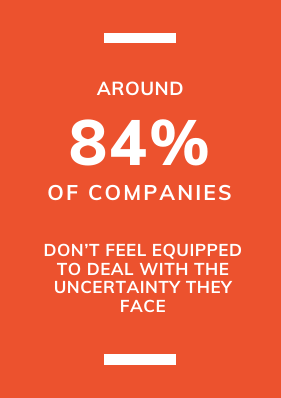
No wonder “resilience” has become the year's buzzword. In 2024, the use of that word among Fortune 500 companies shot up by 200% in earnings calls. But just because business leaders are prioritising resilience, doesn’t mean they’re feeling it. Around 84% of companies don’t feel equipped to deal with the uncertainty they face.
The truth is, building team resilience isn’t just about surviving economic confusion. It’s about unlocking long-term stability and a competitive advantage by investing in people, transparency, and leadership that leads with heart.
Team resilience in the IT industry isn’t just about bouncing back. It’s about bouncing forward. It’s that rare ability to meet uncertainty with clarity, regulate stress in healthy ways, and move from “What now?” to “Here’s what we’ll do.”
The benefits of that shift are massive. According to Harvard Business Review, companies with resilient cultures outperform their peers by 8% in productivity gains during economic slowdowns. But achieving true resilience is getting tougher in today’s financial landscape.
Inflation still looms. Banks are being cautious and restricting lending criteria. Global trade is rocky. Plus, we’re watching an enormous workforce transformation unfold. By 2030, an estimated 92 million jobs could be displaced by AI and automation (though 170 million new ones will be created).
Most teams aren’t prepared. Only 23% of employees feel equipped with resilience and adaptability skills, according to research by McKinsey.
So, what’s holding organisations back?
Often, this is the default to short-term thinking: a stress management workshop here, a one-off change management meeting there. But resilience doesn’t work like that. If we want IT teams to endure change and thrive through it, we need to start designing for adaptability, not just stability.
When things feel shaky, in the market, across the industry, or just inside your business, it’s natural for IT leaders to hold back. You might think, “I’ll wait until I have the full picture before I say anything.”
But here’s the thing: people often imagine the worst without communication because silence isn’t neutral: It’s unsettling.
In the absence of information, people don’t assume the best. They fill in the blanks, which rarely ends with, “Everything’s going great!”
Silence doesn’t calm anyone; it creates a vacuum. And in uncertain times, that vacuum gets filled with anxiety and speculation. Uncertainty doesn’t require perfect answers. What it needs is presence. A steady voice.
That means saying, “Here’s what we know. Here’s what we don’t. And here’s what we’re trying to do about it.” That kind of honesty builds trust and confidence.
McKinsey says employees who feel their company is transparent are 12 times more satisfied in their roles.
Of course, communication isn’t just about updates; it’s also about listening. Some of the most powerful words an IT leader can say are, “What do you think?” Inviting people to share their ideas and concerns tells them they matter.
Surprisingly, you might uncover a solution you haven’t thought of yet.
Then there’s how you show up. Leaders set the emotional temperature in any workplace. Calm, candid, and compassionate leaders make a difference. When people see their leaders handling pressure with composure, they feel more equipped to do the same.
Finally, great communication needs rhythm and structure. That might mean monthly town halls (virtual or in-person), weekly email updates, or quick Slack check-ins that keep people connected and informed. What matters most is that people hear from you regularly, not just during a crisis.

When the outside world feels unstable, your IT workplace needs to feel like solid ground. That means creating a culture where people feel safe, supported, and genuinely cared for as human beings, not just employees.
Resilience thrives in tech workplaces where teams can ask questions, admit mistakes, and speak up without fear. That’s psychological safety.
You can build it by keeping feedback flowing, making room for honest conversations, and treating mistakes as learning opportunities. When leaders model vulnerability and celebrate contributions, big or small, it sends a powerful message: you belong here.
Mental health is now a central part of performance and retention. Studies show stress and burnout are still among the top reasons people leave jobs.
The good news? Support systems make a difference. Confidential counselling through Employee Assistance Programs (EAPs), trained managers who can spot signs of distress, and a genuine respect for work-life balance go a long way.
Wellness programs don’t have to be complicated or expensive; they need to be relevant. Explore flexible schedules, wellness challenges, meditation apps, and healthy food options. It’s about showing your team that their health matters, not just their output.
The most successful wellbeing programs listen and adapt. Run regular pulse checks. Watch for signs like rising absenteeism or turnover. Most importantly, ask your people how they’re doing, then act on what you hear.
The pace of change right now is insane. Every IT company is exploring new tools, shifting markets, and evolving role requirements. What worked three months ago might be outdated today. That’s what makes development such a crucial part of resilience.
Here’s something we know for sure: people want to grow. A growing number of employees are actively asking for more learning opportunities. It is formal training and real skill-building that feels useful, timely, and empowering. Explore:
It’s not about turning everyone into a tech expert overnight. It’s about creating a culture where learning is normal, expected, and fun.
Adaptability helps people adjust quickly, think creatively, and stay grounded even when things get unpredictable.
Organisations that invest in adaptability see real results: smoother change management, smarter decision-making, and fewer people feeling overwhelmed when plans shift. Here’s how you build adaptable teams:
Technology sometimes gets a bad rap; many think it’s out to replace people. But the right tech, used correctly, can improve people’s jobs.
Automation can free up time to focus on meaningful work. Smart tools can help teams stay aligned, make faster decisions, and spot problems early. But the rollout has to be thoughtful.
That means:
When teams are trained and empowered, technology becomes less intimidating and much more exciting.

Resilience might feel like a “soft” trait, something you see in your IT team’s attitude or energy, rather than on a spreadsheet, but that doesn’t mean it can’t be measured. And if you want to strengthen it, you need to know where you’re starting from and how you're progressing.
Here’s what you can track:
Remember, keep the pulse, not just the score. Behind every number is a person; if you want the full picture, you must listen and measure.
Run quarterly resilience reviews, where you take time to reflect as a team on what makes people feel supported or overwhelmed. Hold post-crisis debriefs, where everyone gets involved, and invest in ongoing feedback loops that keep communication strong.
The word “resilience” gets thrown around a lot, but building resilience in the IT industry isn’t just about enduring hardship. It’s about learning from it. Growing through it, and using it to create a more stable, human, and future-ready foundation.
Moving forward, the most resilient businesses will lead with clarity, invest in adaptability, and put their people first. They’ll communicate openly, respond swiftly, and support their teams in weathering storms and finding their way through them.
Start with transparent communication, build psychological safety, embed learning into the culture, not just the calendar, measure what matters, and, most importantly, treat resilience not as a core business strategy.
Because the economy may be unpredictable, but your culture doesn’t have to be.