It's surprising how often people leave an IT job citing "culture", and they're not talking about the absence of ping-pong tables or free lunch. They're talking about the relentless weight of dysfunction: meetings that meander without purpose, toxic whispers behind closed doors, and the soul-crushing silence when someone raises a legitimate concern.
These aren't isolated incidents.
They're daily erosions of trust and morale that compound over time, until one day, someone walks out the door and doesn't look back.
Research beyond the surface: Analyse company websites, social media, and employee reviews on platforms like Glassdoor to identify consistent patterns about workplace culture, not one-off comments.
Network strategically: Brief conversations with current employees and recent departures reveal more authentic insights than hours of online research alone.
Ask culture-revealing questions: During interviews, request specific examples of how values guide decisions, how feedback flows, and how work-life boundaries are maintained in practice.
Spot warning signs early: Watch for repeated mentions of high turnover, vague values without examples, or weekend work as the default - these red flags predict cultural misalignment.
Culture shapes daily experiences: Since toxic culture is over 10 times more predictive of attrition than compensation, investing time in cultural due diligence prevents costly career mistakes.
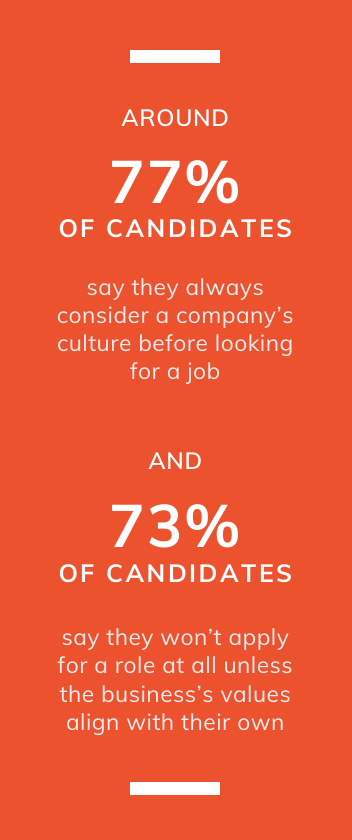
Today, around 77% of candidates say they always consider a company’s culture before looking for a job, and 73% say they won’t apply for a role at all unless the business’s values align with their own.
The problem is that culture isn’t always easy to define based on a single job listing or website homepage. It’s often made up of the small things, such as how a manager handles feedback, how flexible the team really is, and if people feel safe bringing up problems without getting shut down.
To learn about those things, you need to dig deeper. It’s about determining if you can envision yourself working there, day in and day out, without it wearing you down.
he internet has made it easier to learn a lot about a business before speaking to anyone. You might not discover everything with online research, but you can find just enough information to help you decide whether to invest time in an application.
Most IT organisations will have a website. Often, they tell a polished story about what the company does and what it cares about.
Read past the polish. Values that sound like they could belong to any firm rarely help. Specifics do. A short note from leadership about a tough quarter, a concrete decision that shows what the company stands for, or a case study that credits the team rather than the hero CEO. Those are useful signals.
Try this simple pass:
Social media profiles aren’t perfect truths, but they’re less staged than a careers page. LinkedIn shows how the company celebrates work. Instagram and TikTok reveal how people behave when the mask slips a little. X is often where you see how they handle pushback in public.
When you scroll, notice:
Third-party coverage helps test consistency. Search recent articles in the business press or trade publications. An IT company that talks about transparency should have examples in the record: a clear statement during a layoff, a post-mortem after an outage, or a leader quoted with plain language rather than spin. Investor materials can help too. Annual and sustainability reports reveal what gets measured and funded over time.
For a data-driven perspective, consider exploring independent cultural analyses. MIT and Glassdoor’s Culture 500 mines employee reviews to surface common themes across large employers, providing helpful context for what people discuss inside.
Also, carefully consider awards and recognition. “Best place to work” logos look reassuring. They are a starting point, not a verdict. Some rankings are rigorous, while others are based on small or self-selected samples. Use them to guide where you dig deeper, then look for alignment with real employee commentary. You will save time by trusting patterns over posters.

Reviews are noisy. Some are over the top, some sound like PR, some are partially drafted by business leaders (rather than employees). What matters is what keeps showing up, not the one-off rant or the five-star cheerleading.
Begin by searching for reviews on reputable websites. Glassdoor and Indeed are the big ones. Comparably, Kununu, and Great Place to Work add extra colour. Each has its own tone - Glassdoor leans towards long-form, Indeed feels more like snapshots, and Comparably breaks things down into scores.
As you read, look for the echoes. One negative comment isn’t a pattern. If several people mention late nights or shifting priorities, pay attention. The same goes for positives; when numerous voices praise a manager's support or flexibility, it’s probably genuine.
Also, adjust for timing and bias. People in the IT industry might write reviews after a significant moment, such as a promotion or an exit. Expect emotions to play a part.
Don’t spend all day browsing reviews. A half-hour of reading is usually enough to get a feel. Note two or three themes, then carry them into your interviews.
You get a clearer picture when you speak to someone who’s been there. A ten-minute chat can tell you more than hours of research.
When considering a new IT workplace, start by identifying the right people to speak with.
Two groups are most helpful: current employees in or near the role, and those who have left in the last year or two. The first tells you how things run now. The second can speak freely about why they left. Reach out over LinkedIn or email with a short message like:
“I’m exploring [role] at [company] and would love to hear how the team works together. Would you have ten minutes for a quick call this week or next?”
When you dive into the conversation, try to go beyond opinions. Questions like “What do people here get praised for?” or “How do deadlines usually get handled?” bring out stories, not marketing talk.
If you’re struggling to find someone to speak to, consider using groups. Industry meetups, alumni networks, or conference chats can be just as revealing. You don’t always need a formal sit-down.
Two or three honest conversations will give you a sense of whether you’d be a good fit, or whether it’s worth stepping back.

The interview is where culture stops being abstract. You are listening for specifics, not slogans. Short, honest examples always beat polished lines. If an answer stays vague after a follow-up, treat that as a signal. Here are some questions to consider asking:
Open the door to how work really gets done. Set the tone with curiosity, not challenge.
You want to hear how information moves, and what happens when people disagree.
This is about autonomy, decisions, and growth. Ask for examples, then ask one level deeper.
Values matter when they shape choices, not when they sit on a wall. Ask for a recent story.
Psychological safety sits underneath many of these answers. IT teams do better when people feel safe to speak up, ask for help, and learn out loud.
By now, you have compiled research notes, identified review themes, and conducted a few conversations. Patterns matter more than any single data point. Toxic culture isn’t an abstract concept. During the Great Resignation, it was over ten times more predictive of attrition than pay.
Name them early so you can test them in follow-ups. One or two is normal. A cluster is a cue to pause.
Look for steady, human practices rather than one-off perks.
No company is perfect. The question is whether the trade-offs fit your current season and goals. If the positives you've heard align with what you value most, you are likely looking at a good match. If the same doubts keep resurfacing, step back and protect your time.
Culture shapes the day-to-day aspects of life more than any job ad can convey. By now, you have a simple way to see it clearly before you commit. Start with what the company says about itself, check what employees say over time, talk to people who know the place, then use the interview to test what you found. Patterns matter more than one perfect answer.
A good fit will not feel perfect. It will feel consistent, human, and sustainable. That is what supports growth and keeps energy steady long after the excitement of the offer fades.