A career plan is a dynamic strategy that evolves with you as you move through your life as an IT professional. While your goals and priorities might change over time, having a comprehensive career plan can help you to retain your focus and accomplish more in the professional world.
Successful career planning gives you a compass to work with, whether you’re trying to decide whether to move into a new job or sub-sector of IT or looking for ways to develop your skillset.
With the right career plan, you can ensure you:
Build your confidence: Having a clear vision of the future significantly improves your confidence and self-esteem. It gives you a way to validate your decisions and rest assured you’re always moving in the right direction. You can be more intentional with your work strategies, your training, and your job decisions.
An IT career plan is essentially a map from where you are now, to where you’d like to be in the future. This means successful career planning often begins with evaluating your current situation. Take a moment to reflect on the current role you’re in.
What are the skills, capabilities, and responsibilities included with this position? On a day-to-day basis, how often do you use your strengths and skills to thrive in your IT role? What are your priorities, and the priorities of your managers and employers?
Once you’ve gathered as much information as you can about your current role, conduct a career assessment to identify exactly what you want from your future.
There are a few key assessments you’ll need to think about here, such as:
Based on your assessment of your current role, and your values, interests, personality, and aptitudes, you should be able to define whether you’re moving in the right direction.
Ask yourself what benefits you’re getting from this IT position, and whether they adhere to your specific needs. Beyond salary and remuneration, are you developing new skills, expanding your network, and moving closer to your targets, or do you feel you’re sitting stagnant?
At this stage, you should have an idea of where you are in your current career path, and where you might want to go. The next step is setting clear, concise goals for your future. In Positive Psychology Studies show that setting goals doesn’t just motivate us, it also improves our chances of success.
In your career plan, you’re likely to have a number of both short-term and long-term goals. Your long-term objectives will be more ambitious, giving you major milestones to work towards in your industry. For instance, you may decide that you want to move to a managerial position in your current company, or that you want to switch career paths to pursue new priorities, like flexible work.
Your short-term goals will help to move you in the right direction in your IT position, so you can reach your long-term objectives.
For instance, the chances are that if you want to move into a managerial position in your business, you’ll first need to gain more experience, volunteer for projects where you can hone your leadership skills, and learn new abilities.
Plot out a realistic progression path that defines the tech jobs you want to do, and the things you’ll need to accomplish before you can reach your target.

Pursuing your desired career path can take a number of years, and require many different steps. To effectively monitor and guide your progress, you need to ensure your goals are precise and insightful. Setting SMART goals will help you to achieve the right results. This means ensuring every goal you set (both long-term and short-term), is:
It’s also worth thinking about how you can align your goals with organisational objectives, both with the IT company you’re working with now, and any businesses you want to work with in the future. Aligning your own personal goals with the needs of the business can make you more valuable to current and future employers.
To ensure your goals align with organisational objectives, start by learning as much as you can about the priorities and values of your company. For instance, if the main goal of your current employer is to increase revenue and productivity, you could invest in personal development strategies that will help you to become more efficient and valuable in your role.
Identifying areas of alignment between your goals and the needs of your IT business is a great way to ensure your employer will support you on your development path. If you can show your employer or manager that your goals benefit the business, they’ll be more likely to assist you in reaching them. Some may even offer workplace training to help you.
Often, progressing towards your IT career goals means investing in developing new skills and capabilities that will prepare you for different positions. Much of a successful career plan revolves around constant learning and development. However, before you can start building new skills, you first need to identify the gaps in your current abilities.
Start by:
First, you need an in-depth knowledge of your current skills, and how they align with your specific IT career and goals. Look at your CV and ask yourself what kind of certifications you’ve already earned, what experience you have, and where your strengths lie.
Think about your past achievements and accomplishments, and which skills or capabilities have helped you to reach your targets over the years. If you’re struggling to define your most important skills or traits, asking for feedback from friends and colleagues can be helpful.
Your team members, as well as other people who know you well, will be able to help you see both the soft and hard skills you can offer employers in the IT industry.
Once you have a clear idea of your current skills and abilities, it’s time to look at the job descriptions for the positions you want to pursue. Look at job listings for your dream role, and ask yourself what skills, attributes, and experience are required.
Pay attention to both soft skills and hard (technical) skills listed by IT companies. Keep in mind, the exact requirements of different organisations might vary. It’s worth paying close attention to the requirements listed by the companies you’re most interested in working for.
If you’re struggling to find useful job descriptions, you can speak to an IT recruitment agency. They should be able to give you a basic idea of the skills you’ll need for a specific role.
With your current CV and a job description for the tech role you want side by side, start defining the gaps you’ll need to fill to reach your goals. Pay attention to everything from specific competencies required by employers, such as conflict management and negotiation.
It’s also worth thinking about the experience you’ll need to cultivate before you can start applying for higher-level jobs in your industry.
Some companies require leadership-level employees to have a number of years of experience working in complementary roles before they move into a managerial position.
When creating your professional development plan, you’ll likely need to focus on two specific areas: soft skills, and hard skills.
Soft skills are the interpersonal and people-focused skills that help you to thrive in virtually any IT job. They’re the non-technical skills that determine how well you work as part of a team, collaborate with others, and even lead colleagues to victory.
The chances are you’ll have some relevant soft skills already, but you may need to cultivate additional abilities to make yourself more appealing to future employers. Some of the most valuable soft skills you may need to work on include:
Hard skills, or technical skills are the more quantifiable, teachable skills employers require you to have in specific roles. They include technical abilities and expertise that will influence your ability to complete day-to-day tasks in your IT position.
Examples of hard skills can include everything from accounting and financial knowledge, to data analysis, computer programming or software knowledge, and foreign language fluency.
Many of these skills will be obtained through educational programs when you’re pursuing degrees or certifications in your industry. However, some employers will be willing to provide training on specific hard skills to employees when they join the team too.
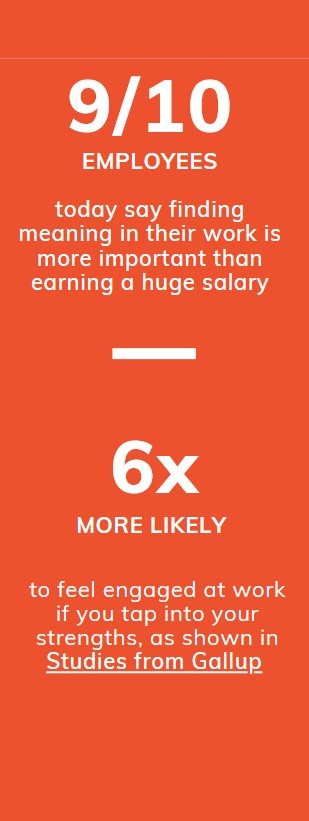
There are various ways you can build both soft and hard skills relevant to the IT role you want to pursue. Options range from traditional learning opportunities to more collaborative solutions like mentorship and buddy programs.
Here are just some of the best ways to start working on your skillset:
As mentioned above, successfully achieving your career goals requires constant effort and focus. Often, people spend years gradually working towards their professional targets. With this in mind, it’s worth ensuring you’re pursuing your career plan with the right attitude.
Start by assessing your mindset. Switching from a “fixed” mindset to a growth mindset can help you to accomplish a lot more in your role. With a growth mindset, you believe that you can constantly develop and evolve your knowledge and skills. You don’t see failures as a problem but as an opportunity to improve.
A growth mindset encourages you to constantly seek out new opportunities for development, whether it’s enrolling in an online course, or reading industry publications. This approach will ensure you’re constantly moving in the right direction.
You can develop a growth mindset by restructuring how you think about your skills, abilities, and future. Whenever you think you’re not capable of something, ask yourself what you might be able to do to change that. Other ways to ensure consistent development and growth include:
Build your network: Your network in the IT industry doesn’t just open the door to new employment opportunities. It can also be an excellent source of knowledge and information. Interacting with other people in your industry will help you to learn from them, and look at concepts from different perspectives. Consider attending industry events, joining IT forums, and taking part in online groups on LinkedIn
Finally, one of the best ways to ensure you’re constantly moving in the right direction towards your IT career goals, is to access the help of a professional recruitment company. A recruitment agency is one of the most valuable resources a candidate has in today’s marketplace.
The right agency will help you to identify your skills and abilities and define what kind of roles are most appealing to you, based on your specific values and priorities. They’ll provide insights into the skills and capabilities you need to develop before applying for new roles.
Plus, they’ll help you to determine which companies are suitable for you, based not just on remuneration and benefits, but also on company culture.
Most importantly, when you’re ready to take steps towards your career goals, an IT recruitment company will help you to find the right opportunities.
They’ll introduce you to companies that need your specific skills and can even provide advice on how to handle the interview and application process. Recruitment companies can work with you through the whole life of your career, providing constant support.
At Constant Recruitment, we are passionate about connecting talented IT professionals with leading organisations across the UK. The right talent can transform organisations and drive innovation and growth, and we are dedicated to matching the right talent with the right opportunity.
Our founder, Rachel Constant-Taylor, started in recruitment in 2006, the same year her youngest daughter was born. With a background in the IT industry since leaving school, moving into IT recruitment was a natural fit for her, combining her real-world knowledge of working in Tech companies with her love of people. She saw an opportunity in 2012 to create a unique recruitment agency of her own that delivered exceptional service and expertise.
What makes us unique is our commitment to delivering a personalised recruitment experience for both our clients and candidates. We understand that every individual and business is unique, and we work closely with each of our clients and candidates to understand their distinctive needs and goals. This allows us to provide tailored solutions that meet their specific requirements, helping them to succeed in a competitive market.
We recruit better than our competitors by providing a seamless and effective recruitment process that consistently supports both our candidates and clients. We value honesty, integrity, and hard work.
Taking a pride in our ability to connect the right talent with the right opportunity. We are committed to delivering the highest standards of service and expertise. To our clients we are the trusted partner for all IT recruitment needs.