Few things worry a dedicated IT employee more than the word "redundancy"/" layoffs". Being made redundant/laid off can do far more than put you in a difficult financial situation. It can also turn your routine, self-esteem, and confidence upside down.
Unfortunately, redundancies/layoffs happen in every industry. No matter how skilled you are in your role, there's always a chance you could lose your job because a company needs to downsize, cut costs, or change directions.
The pandemic, uncertain economic conditions and global turmoil have led to a significant increase in redundancies in recent years, causing anxiety for IT teams. According to the Office for National Statistics, redundancies in the UK are creeping towards record highs.
Over 183,000 tech company workers were laid off in the US in 2023.
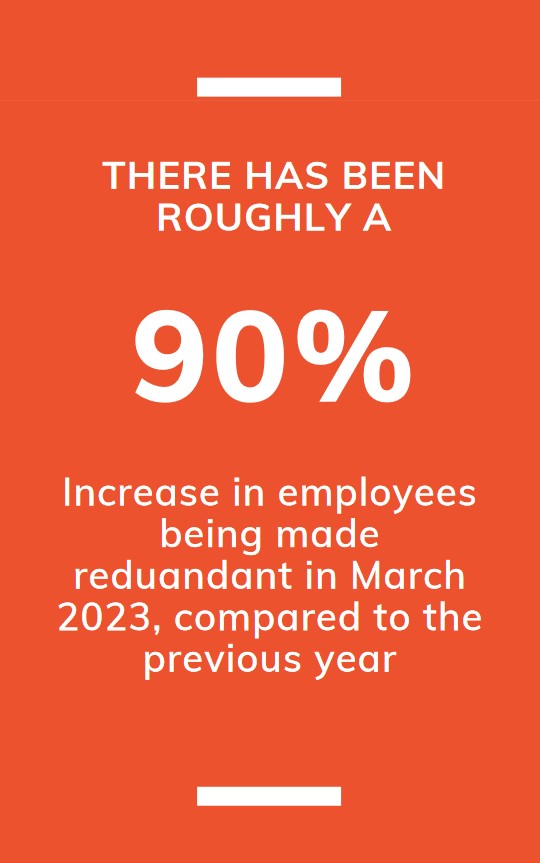
In March 2023, an average of 76 employers distributed HR1 forms requesting to make 20 or more employees redundant. This represents a 90% increase from the previous year.
Labor/Labour shortages, crippling overheads, and stagnant economic growth have placed pressure on virtually all businesses. However, smaller companies and startups are particularly threatened. Rises in energy bills and supply chain issues have left many smaller companies unable to retain teams.
Whether the growing redundancy rate results from government decisions to reduce support for SMEs or a symptom of hiring woes caused by skill shortages, it presents significant challenges to employees. Fortunately, there are ways to survive and even bounce back from a redundancy/being laid off.
In today's guide, we'll walk you through every step you need to take to ensure you can overcome the hurdle of redundancy/being laid off and still achieve your IT career goals.
Redundancy can be complicated for IT employees to understand. Losing your job and source of income is one thing; however, it doesn't necessarily mean you're being "fired" due to poor quality work or problematic behaviour.
Employees being made redundant/laid off generally haven't done anything wrong. While employment laws vary depending on where you are in the world, protections prevent companies from discriminating against employees.
This means you can't be made redundant/laid off for reasons like your age or gender. However, IT companies can choose to implement redundancies when:
The business is transferred to a new owner: When a business moves to a new owner, this doesn't automatically end contracts for employees. However, a new owner may decide to remove some employees they feel are unnecessary.
If you're dealing with redundancy in the IT industry, it's important to know your rights. The rights you have and the support or financial compensation you can receive will vary depending on your employer and location.
In the United Kingdom, you may be eligible to apply for redundancy pay or ask to be moved into a different job or role. Some employers are required to give staff members a notice period, a consultation, and even time off to help them find a new job while they're still receiving pay.
You may also have specific rights if your employer is made insolvent.
Crucially, the rules in the UK outline that employees must be fairly selected for redundancy. For instance, you cannot be made redundant because of your age, gender, race, or any disabilities you may have.
If you have any questions about your redundancy or concerns, you can contact non-profit organisations for support.
In the United States, there are still rules against unfair dismissal, and employees can seek compensation if they believe they have been laid off for an improper reason.
However, federal law does not require employers to provide employees with severance payments. Instead, the "WARN" act dictates that employers must only issue severance payments when they fail to provide sufficient advanced notice.
However, some employers add clauses for severance payments and compensations into employment contracts.

Losing your job in the IT industry is a huge adjustment. You'll likely encounter not just financial issues and anxiety but also a range of emotions. You might feel shock, anger, and resentment. You might even feel a little relieved if you weren't particularly happy in your role.
It's important to give yourself time to adjust emotionally and think about what you want to do next. While redundancy/being laid off is perceived as not a good thing it does offer an opportunity to take stock of your situation and refine your career plan.
Here are some of the initial steps you can take to cope with redundancy.
When you're made redundant/laid off, your finances will likely be the most significant cause of stress and anxiety initially.
It's important to create a plan to preserve your mental health and avoid unnecessary stress. Start by learning as much as possible about the compensation you might be eligible to receive. Next, sit down with your finances and assess your situation.
It's often a good idea to rethink your budget and eliminate unnecessary expenses from your routine as quickly as possible. Although you might find a new IT role quickly, being strict with your budget will help you avoid debt while searching.
If you're worried you won't be able to handle your bills, consider reaching out to companies to ask for payment holidays. You could also speak to a financial health advisor for guidance.
Losing your job can be terrifying. Many people find their self-esteem diminishes as they blame themselves for losing their IT role. This can prompt you to isolate yourself and withdraw from the people who can help you.
However, it's important to stay connected with your support network. They'll remind you that your job loss is not your fault nor something you can control. Friends and family can provide guidance and support when you need it most. They may also assist with your financial concerns or help you search for a new role.
If you're feeling overwhelmed, you can include various other forms of support in your network, as support groups are available worldwide.
Looking after yourself is crucial when you've been made redundant/laid off. If your mental health suffers, your physical health can begin to diminish, too. You might struggle with higher fatigue levels, poor sleep, and a problematic immune system.
All of these things will make it harder to stay focused on finding a new role and thriving once you enter a new tech company. Make sure you look after yourself by:
Eating the right food: Nutrition is important to preserving your physical and mental health. Ensure you eat balanced meals every day at the same time. Choose foods that release energy slowly, and stock up on fruits and vegetables. Avoid too much caffeine, alcohol, or sugary foods that can affect your mood.
Once you have a strong support network, an idea of how you'll care for yourself, and a financial plan, it's time to consider moving forward from your current situation.
Entering the IT job market again, particularly if you've been employed for a long time, can be daunting and liberating. While there are skill shortages in every industry today that can make it easier to find a new role, it's important to have a plan and strategy in place.
Here's how you can effectively prepare to move forward.
When you're eager to re-enter the world of employment, opening your search to a wider range of opportunities is tempting. However, setting realistic parameters based on your skills in the IT industries and priorities is important.
Ideally, your next role should help you move forward in your career path, ensuring you can unlock new skills and reach your targets. When preparing to start your search, think about the following:

Using the parameters you laid out for your job search above, you can set specific goals for your future IT job search. These goals or targets will help to ensure you can stay focused when searching for the right role rather than just accepting any opportunity to make money.
Take a moment to consider your ambitions and what you want to achieve in the IT industry going forward. Have your goals changed since you started your first job? Are you interested in a particular part of the industry you hadn't considered before?
It's worth setting short- and long-term goals as you enter the next stage of your journey. For instance, if you want to enter a managerial or leadership position in the long term, you might set goals that involve seeking out new forms of professional development in the short term.
Assess your skills, experiences, and qualifications, and decide what steps to take to ensure you can access the role you want.
Once you have a clear set of parameters for your job search, the next step is ensuring you have all the necessary resources to apply for a new role. This might start with obtaining any references you might need from previous employers.
You'll also need to sort out any other valuable employment documentation you will need for administrative purposes, such as previous payslips. Preparing to re-enter the IT job market is also worth auditing and optimising your professional brand.
Think about how you're going to present yourself to potential employers. Is your LinkedIn profile up-to-date, with recent achievements and endorsements? Do you have a strong online presence, and what will employers see when they search for you online?
It's also worth reviewing your resume/CV and cover letter. Ask yourself whether you need to change them based on your experience.
Networking is an excellent way to enhance your professional brand and unlock new potential job opportunities.
There are various ways you can expand your network. Start by retaining relationships with the people you met in your previous role adding them on LinkedIn and other social media channels. Join online forums and groups to connect with like-minded people and companies.
You can also find specific forums related to the IT industry online, where you might be able to filter through job postings and opportunities.
In-person networking can be extremely valuable, too. Consider attending industry events, training sessions, and other environments where you can interact with new people.
Being made redundant/laid off means you will potentially have extra time in your day. While some of your schedule may be dedicated to job hunting, you can use the extra hours productively by building on your existing skills and knowledge.
Look at your career goals and ambitions, and ask yourself where you may benefit from acquiring new skills and knowledge. You can attend classes in person if you have the time, reach out to a mentor for one-on-one training, or sign up for online courses relevant to the IT industry.
Obtaining additional certifications will help you to stay competitive in the job market. It also shows future employers that you've used your time effectively during redundancy/the time you were laid off. Plus, learning can help you expand your network and improve your confidence.
Searching for the ideal IT role alone in a complicated job market can be time-consuming and frustrating. Getting your name in front of the right potential employers is often difficult without a little extra help. Plus, since many employers don't list jobs publicly, you might miss out on opportunities without realising it.
Working with an IT recruitment partner can give you a crucial edge in your job search. These professionals can recommend you to employers looking for someone with your skillset. They can help you find job opportunities that resonate with your priorities and values.
Many IT recruitment agencies can also help with other important steps, like preparing for an interview, refining your CV, or showing you how to explain your redundancy to employers.
While applying for roles can be daunting enough after losing your job, many IT candidates find the interview process particularly challenging.
Feeling embarrassed or nervous about sharing that information with a new employer is natural. However, it's important to remember that redundancies/being laid off doesn't indicate a problem with your performance or skills.
Most employers and hiring managers will understand that it wasn't your fault. The only question they're likely to ask is what you've done since leaving your prior role.
During a job interview:
One important thing to remember is that even if you nail your interview, you're not guaranteed to get the first new IT role you apply for. It's important not to take this personally.
Working with a recruitment company will help. They can offer advice on adjusting your CV or cover letter and guide you towards new skills you should adopt.
They will already have connections in your industry and may be able to represent you to contacts they have privately.
Above all else, stay focused and committed. It can take time to bounce back after redundancy, but you can and will get yourself back on track.